Structuring alignment across the power value chain.
Grid interconnection queues, generation procurement cycles, and local regulatory timelines operate on fundamentally different clocks than deployment demand. We work across every constraint point — physical and commercial — to bring counterparties into alignment and move projects to execution.

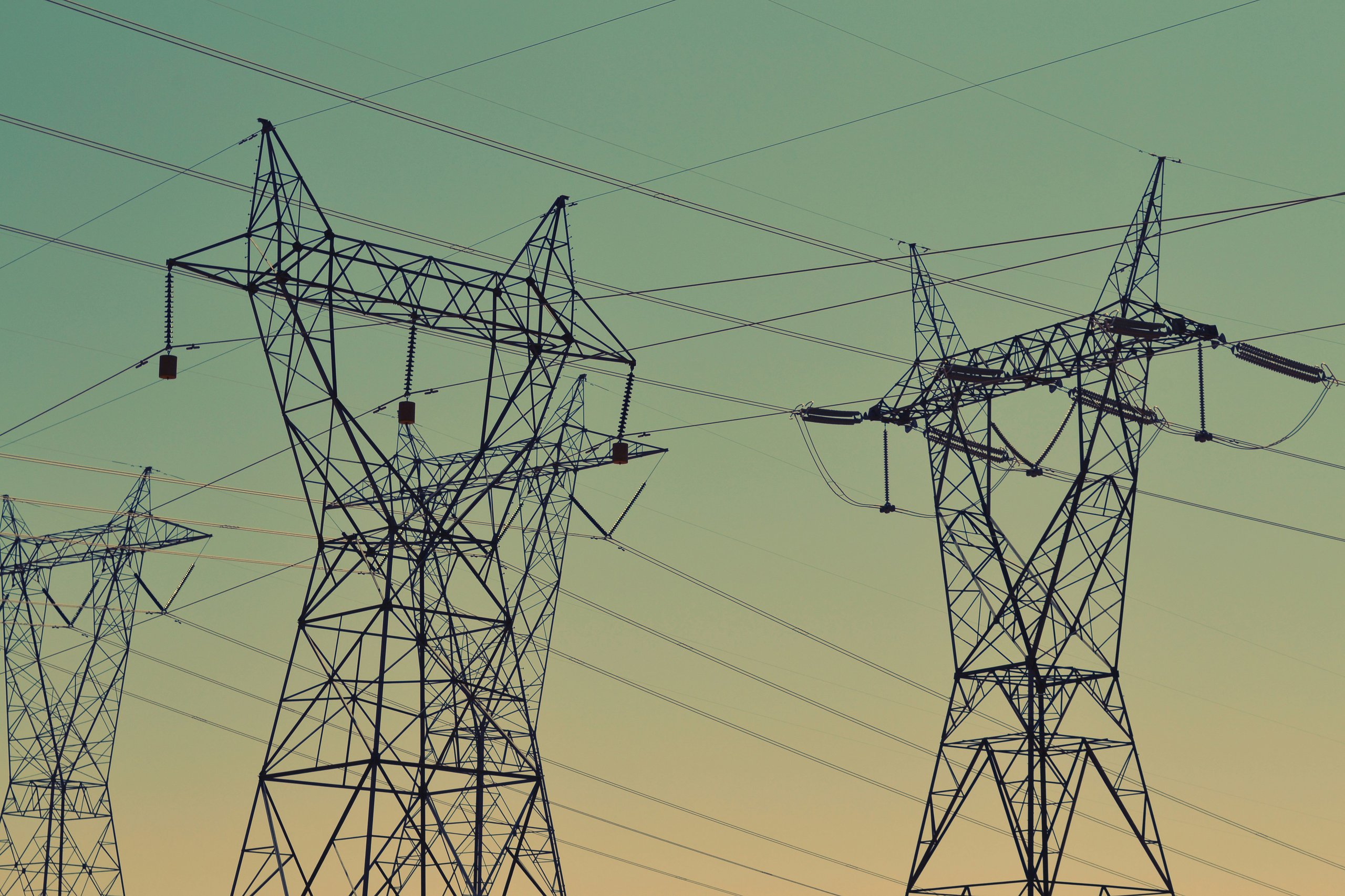
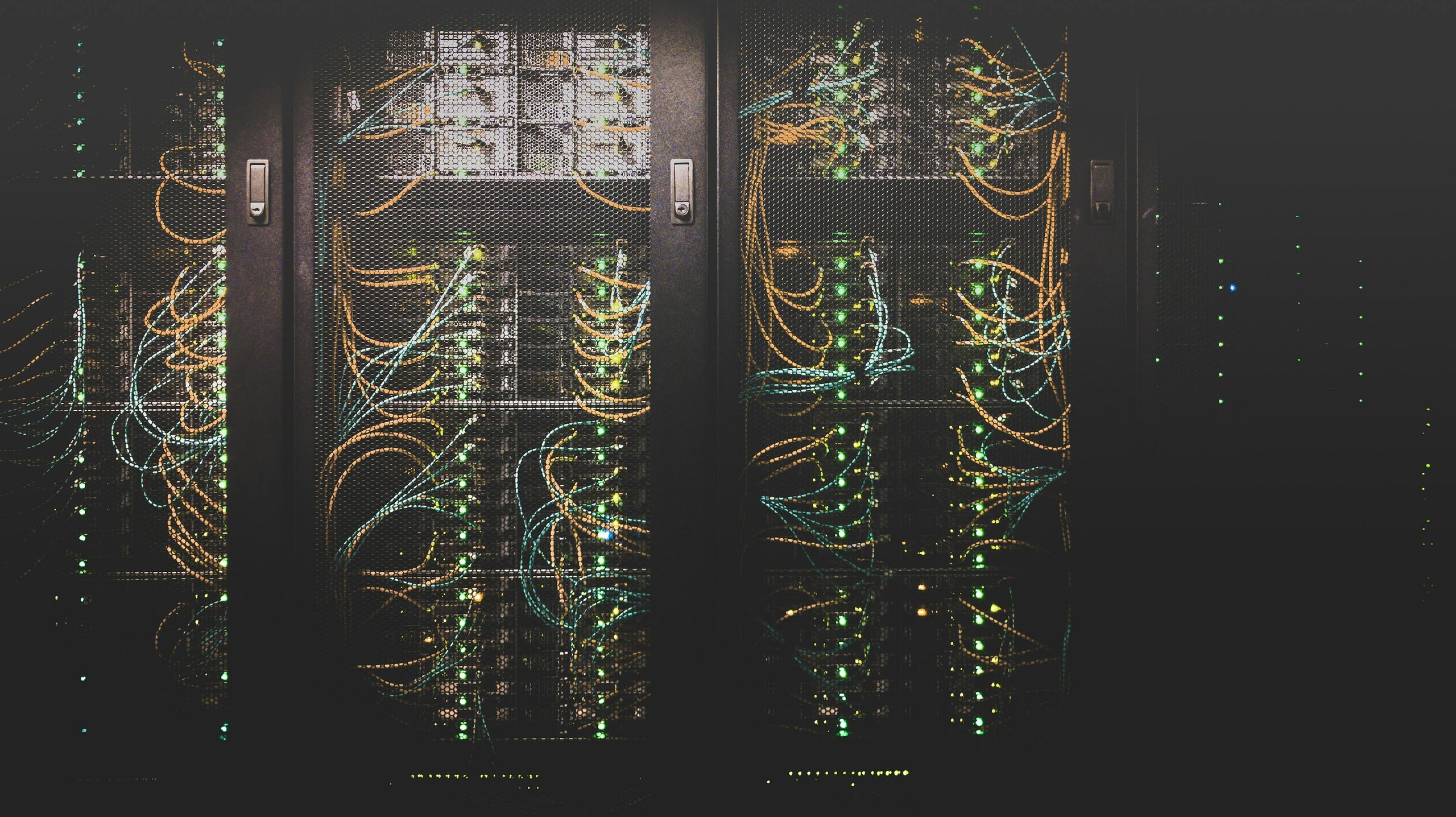
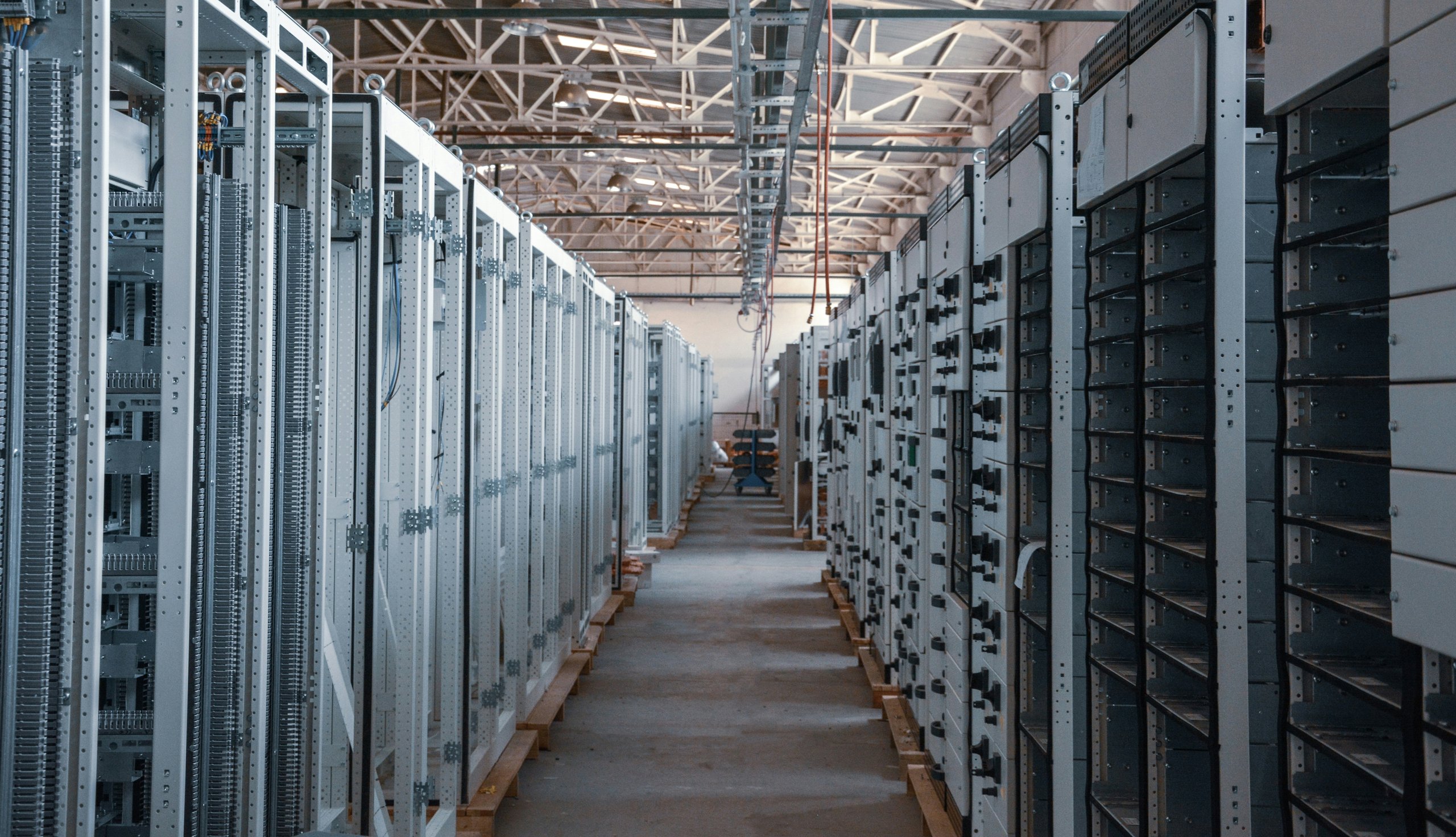
Execution
across the stack.
Integrated execution across the variables that gate project timelines.
Screening for deployability, not just availability.
Grid queue position alone does not make a site viable. We evaluate against the full constraint set: substation deliverable capacity and upgrade timeline, transmission headroom, distance to interstate gas pipeline laterals, fiber route availability, wetlands and environmental encumbrance, local zoning compatibility, and political receptivity at the county level. Every site is screened against a specific counterparty profile — a 100 MW colocation operator and a 500 MW hyperscaler have fundamentally different infrastructure thresholds, timeline tolerances, and redundancy requirements.
Solving the energization timeline problem.
Grid interconnection in PJM and most U.S. ISO regions currently runs 4–7 years from application to commercial operation. For counterparties operating on 24–36 month deployment cycles, this is not a workable timeline. Our approach: secure sites with confirmed grid position and firm interstate gas transportation, then architect a bridging generation strategy — behind-the-meter gas — that delivers firm power on day one while interconnection proceeds in parallel. Generation mix, heat rate economics, fuel delivered cost, N+1 redundancy, and emissions compliance are modeled at the site level before any commitment is made.
Five parties, five timelines, one term sheet.
Utility, offtaker, generation partner, community, investor — each with incompatible assumptions on schedule, risk, and return. We structure offtake tenor, capacity commitments, tax allocation, and construction sequencing into terms where concurrent commitment becomes possible.
The workstream that kills projects quietly.
Community opposition and permitting delays are the leading cause of post-LOI project failure. We engage county commissioners, township trustees, and economic development authorities before capital is committed — not after. Established direct access across Ohio Valley jurisdictions.
Policy economics built into the project, not bolted on.
IRA energy credits, state economic development grants, opportunity zone designation, PILOT agreements, and local tax abatement — identified at origination and underwritten into project returns. Incentive structures that improve bankability, not just IRR on a slide.
The bottleneck nobody budgeted for.
24–36 month OEM lead times with opaque allocation and limited contractual flexibility. We track cycles directly with manufacturers, maintain secondary market sourcing channels, and coordinate EPC sequencing early enough to protect the construction schedule — not after NTP when options narrow.
Thesis-driven allocation across the power infrastructure stack.
We work with allocators seeking exposure to de-risked power and data center infrastructure — through private equity co-investment, project-level preferred capital, or GP/LP joint venture. Each position is anchored by confirmed grid access, firm fuel supply, and a defined energization timeline. Asset mix spans greenfield development, generation repositioning, and equipment positions — all underwritten around our bridging power thesis. Deal-specific structures. GP co-investment in every position.
Ready to build together?